
The Murder Case and Werther's Advocacy
The Sorrows of Young WertherThis flow traces Werther's effort to defend the arrested servant and the collapse of his hopes when legal procedure prevails.
increasing Bearing strength in each event
 decreasing
Bearing strength in each eventdecreasingNews of the Crime
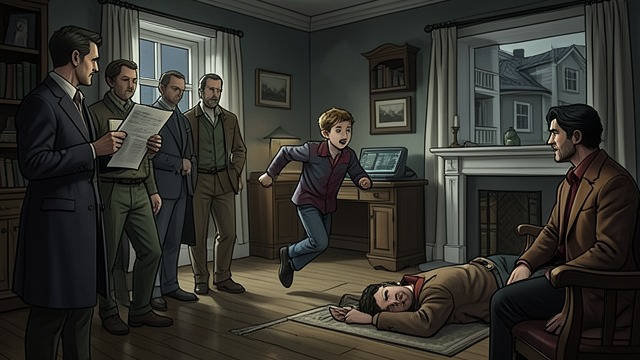
A Sudden Call
The household hears
Werther arrives while Lotte and her father are discussing a murder in Walheim. A boy reports the crime, and the victim is said to have been found near his home.
Recognition dawns
The dead man had been connected to the widow's household, and suspicion falls on the former servant. Werther immediately recognizes the connection to the man whose devotion he once admired.
The Prisoner's Words

A Confession of Possessiveness
The arrested man
Werther sees the servant among the armed villagers and asks what he has done. The man answers that now no one will marry the widow.
Sympathy overwhelms judgment
Werther responds less as a witness to murder than as a fellow sufferer. His identification is emotionally powerful, but it narrows his attention to the prisoner's pain and away from the victim's.
The Plea to the Judge

An Impassioned Defense
Werther argues for mercy
Werther urges the judge to view the servant's act through the force of passion and despair. He hopes that his account of the man's suffering can alter how the crime is understood.
The law resists exception
The judge insists that legal order cannot be suspended at Werther's request. The disagreement revives the earlier debate between Werther and Albert about whether extreme emotion excuses destructive acts.
The Rejected Escape

No Private Rescue
An impossible request
Werther asks the judge to connive at the prisoner's escape. The judge refuses, citing responsibility and the need for lawful procedure.
Albert's opposition
Albert agrees with the judge, and Werther hears his position as a personal rebuke. The failure to save the servant adds conflict within the household to the public defeat of Werther's appeal.
The Last Glimmer
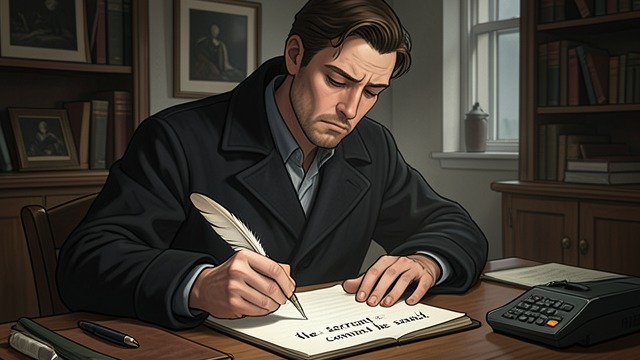
Hope Turns Inward
A note of identification
Werther writes that the servant cannot be saved and adds that he himself may be beyond rescue. The line compresses his emotional identification into a private verdict.
Withdrawal follows
The advocacy briefly gave Werther a purpose beyond his own longing. Once it fails, he sinks back into gloom, and the public case becomes one more step toward his final crisis.
Late in Book II, at Lotte's household
At the village inn, after the arrest
The same day, at Lotte's father's home
After the judge refuses Werther's plea
After the failed plea, before December
